 Kirchenakte
1601-1878 · 277 years
· show in timeline
Castrati in the papal choir of the Sistine Chapel from 1601
In Italy boys were castrated so that their voices would not break and they could sing as adult sopranos. Although the mutilation was forbidden, at times on pain of death, from 1601 the first castrato, the priest Girolamo Rosini, sang in the papal choir of the Sistine Chapel; according to Grove, such voices were always found there from then on, in the late 19th century even in the director of the choir. The Britannica calls them "the musical glory and moral shame of the papal choir" until the accession of Leo XIII.
- Period
- 1601-1878 (277 years)
- Country
- Italy, Vatican City
- Institutions
- Papal Chapel (Sistine Choir)
Holy See - Category
- Violence
- Level of evidence
- B two independent scholarly sources · what does this mean?
- Persons
- Girolamo Rosini (priest, admitted to the papal choir in 1601 as the first castrato)
Leo XIII (Pope, according to the Britannica removed the castrati from the papal choir)
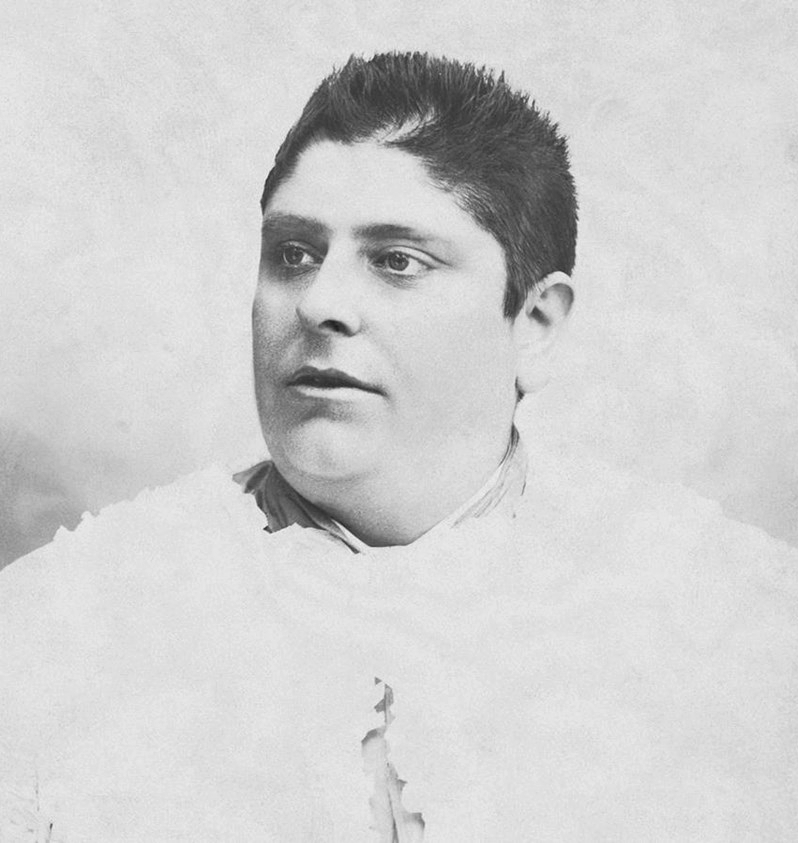

What happened to the people
Who was affected? Victims and numbers
- In Italy boys were castrated to prevent their voices from breaking and to train them as adult soprano singers, such as might formerly be heard in the Sistine Chapel. Although this mutilation was severely punished, the supply never failed as long as such voices were in demand "in high quarters".
Evidence: Encyclopædia Britannica, 11. Auflage (1911), Wikisource, Artikel Eunuch
„the Italian practice of castrating boys to prevent the natural development of the voice, in order to train them as adult soprano singers, such as might formerly be heard in the Sistine chapel“
Eunuch, Artikel Eunuch. Original Evidence: Encyclopædia Britannica, 11. Auflage (1911), Wikisource, Artikel Eunuch
„Though such mutilation is a crime punishable with severity, the supply of “soprani” never failed so long as their musical powers were in demand in high quarters.“
Eunuch, Artikel Eunuch. Original
How were they charged and sentenced?
- The procedure was so barbaric that it was at times forbidden in Italy on pain of death; later it incurred excommunication. Nevertheless it flourished and supplied the stages of Europe with sopranos in the 17th and 18th centuries.
Evidence: A Dictionary of Music and Musicians, hrsg. von George Grove (Macmillan, 1879–1889), Wikisource, Artikel Sistine Choir
„preserved by a process so barbarous, that at one time it was forbidden, in Italy, on pain of death. Yet, notwithstanding this penalty, and its inherent wickedness, the system prospered“
Sistine Choir (William Smyth Rockstro), Artikel Sistine Choir. Original Evidence: A Dictionary of Music and Musicians, hrsg. von George Grove (Macmillan, 1879–1889), Wikisource, Artikel Sistine Choir
„the transgression of the Law, which was formerly punishable with death, now renders the offender de facto excommunicate“
Sistine Choir (William Smyth Rockstro), Artikel Sistine Choir. Original
Background
Why? Justification and motives (according to the sources)
- The reason was the demand for high male voices. After 1441 the records no longer mention boys in the papal choir; soprano and alto were sung by adult men, according to the Catholic Encyclopedia "natural (and occasionally unnatural)" sopranos.
Evidence: Catholic Encyclopedia (1913), Wikisource, Artikel Sistine Choir
„After the year 1441 the records no longer mention the presence of boys in the choir, the high voices, soprano and alto, being thenceforth sung by natural (and occasionally unnatural) soprani falsetti and high tenors respectively.“
Sistine Choir, Artikel Sistine Choir. Original
Response of the Church
- The first such singer permitted to sing in the Sistine Chapel was the priest Girolamo Rosini of the Oratory of St Philip Neri, admitted in 1601. According to Grove (around 1880), such voices were always found in the choir from then on, including in the then director Mustafa. By its own account, the choir only admitted voices that had arisen "accidentally".
Evidence: A Dictionary of Music and Musicians, hrsg. von George Grove (Macmillan, 1879–1889), Wikisource, Artikel Sistine Choir
„The first Soprano Singer of this kind permitted to sing in the Sistine Chapel, was a Priest named Girolamo Rosini, a member of the Congregation of S. Philip Neri, who was received into the College in 1601, and died in 1644. Since his time, such Voices have always been found in the Choir: and such a Voice is now actually possessed, by its present head, Signer Mustafa.“
Sistine Choir (William Smyth Rockstro), Artikel Sistine Choir. Original Evidence: A Dictionary of Music and Musicians, hrsg. von George Grove (Macmillan, 1879–1889), Wikisource, Artikel Sistine Choir
„In these purely accidental cases, no Singer, with a good Voice, has ever been refused admission into the Pontifical Choir“
Sistine Choir (William Smyth Rockstro), Artikel Sistine Choir. Original - According to the Britannica, the castrati remained "the musical glory and moral shame of the papal choir" until Pope Leo XIII (accession 1878) removed them as one of his first acts.
Evidence: Encyclopædia Britannica, 11. Auflage (1911), Wikisource, Artikel Eunuch
„they remained the musical glory and moral shame of the papal choir till the accession of Pope Leo XIII., one of whose first acts was to get rid of them“
Eunuch, Artikel Eunuch. Original Evidence: Heiliger Stuhl (vatican.va), Nr. 256
„Leo XIII 20.II, 3.III.1878“
Liste der Päpste (Holy Father), Nr. 256. Original
Original documents to read
- Church document
Heiliger Stuhl (vatican.va): Liste der Päpste (Holy Father). Original (retrieved 11 Oct 2026)
Scholarly literature and reference works
- Reference work
Encyclopædia Britannica, 11. Auflage (1911), Wikisource: Eunuch, 1 January 1911. Original (retrieved 15 Oct 2026) - Reference work
A Dictionary of Music and Musicians, hrsg. von George Grove (Macmillan, 1879–1889), Wikisource: Sistine Choir (William Smyth Rockstro). Original (retrieved 15 Oct 2026) - Reference work
Catholic Encyclopedia (1913), Wikisource: Sistine Choir, 1 January 1913. Original (retrieved 15 Oct 2026)
Change log (2)
The change log is kept in German only.
- : Aktualisiert: Englische Übersetzung
- : Aufgenommen
Last changed on 22 October 2026. Is something missing or wrong? Suggest an addition or correction.